( 27-05-2026 - 11:11 AM ) - View: 1159
.png)
Ảnh thực tế


 Solution

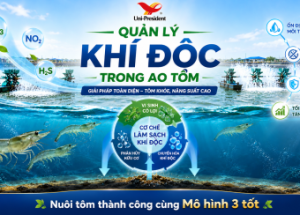
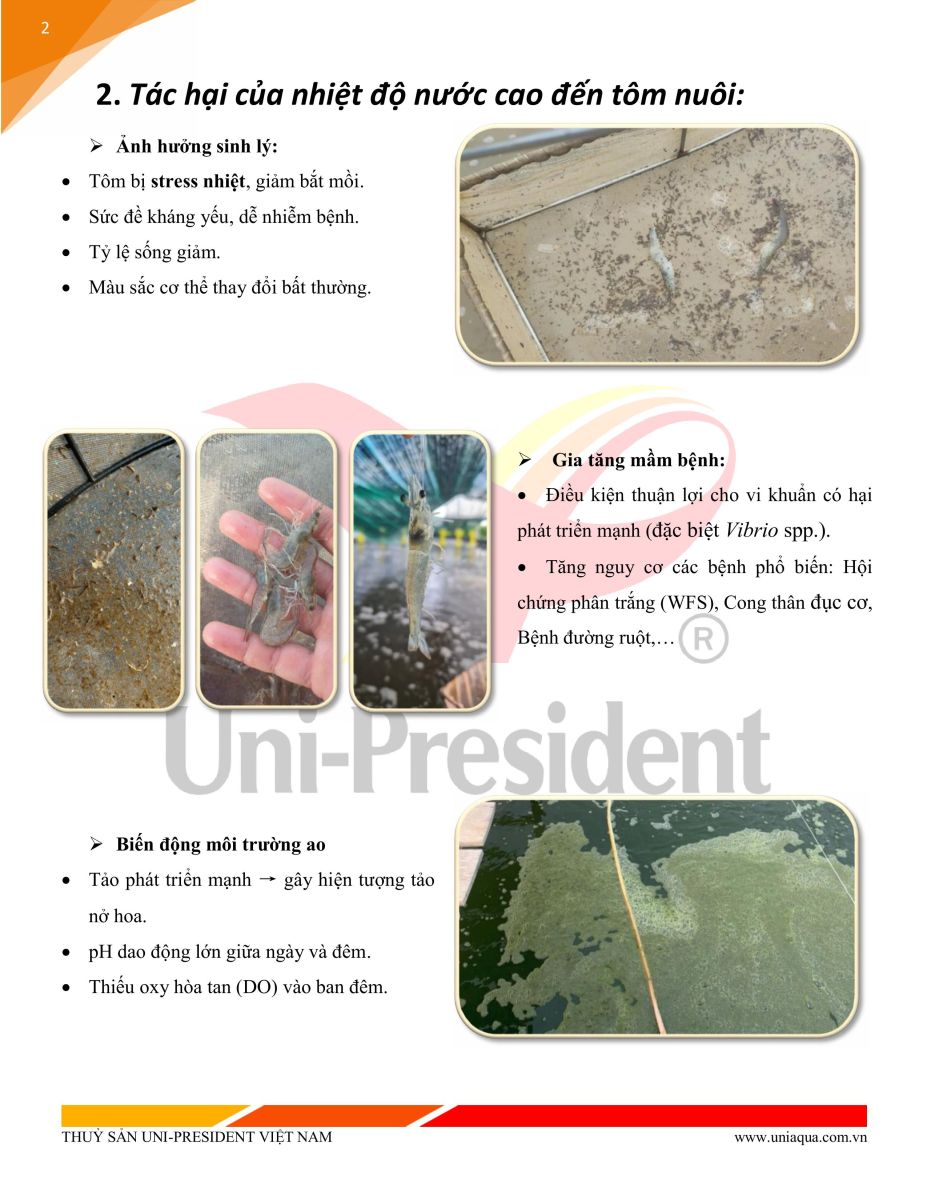
Toxic gases like H2S, NH3, NO2- are always a top concern for shrimp farmers, primarily originating from excess feed and organic waste accumulating at the pond bottom. To protect shrimp health, this article provides a detailed analysis of the formation mechanisms of these gases under the influence of pH, temperature, and dissolved oxygen, while offering a proactive management solution to help farmers optimize the farming environment according to Uni-President's sustainable model.
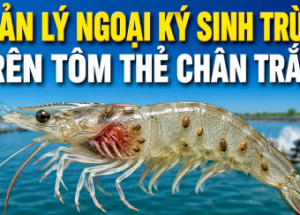
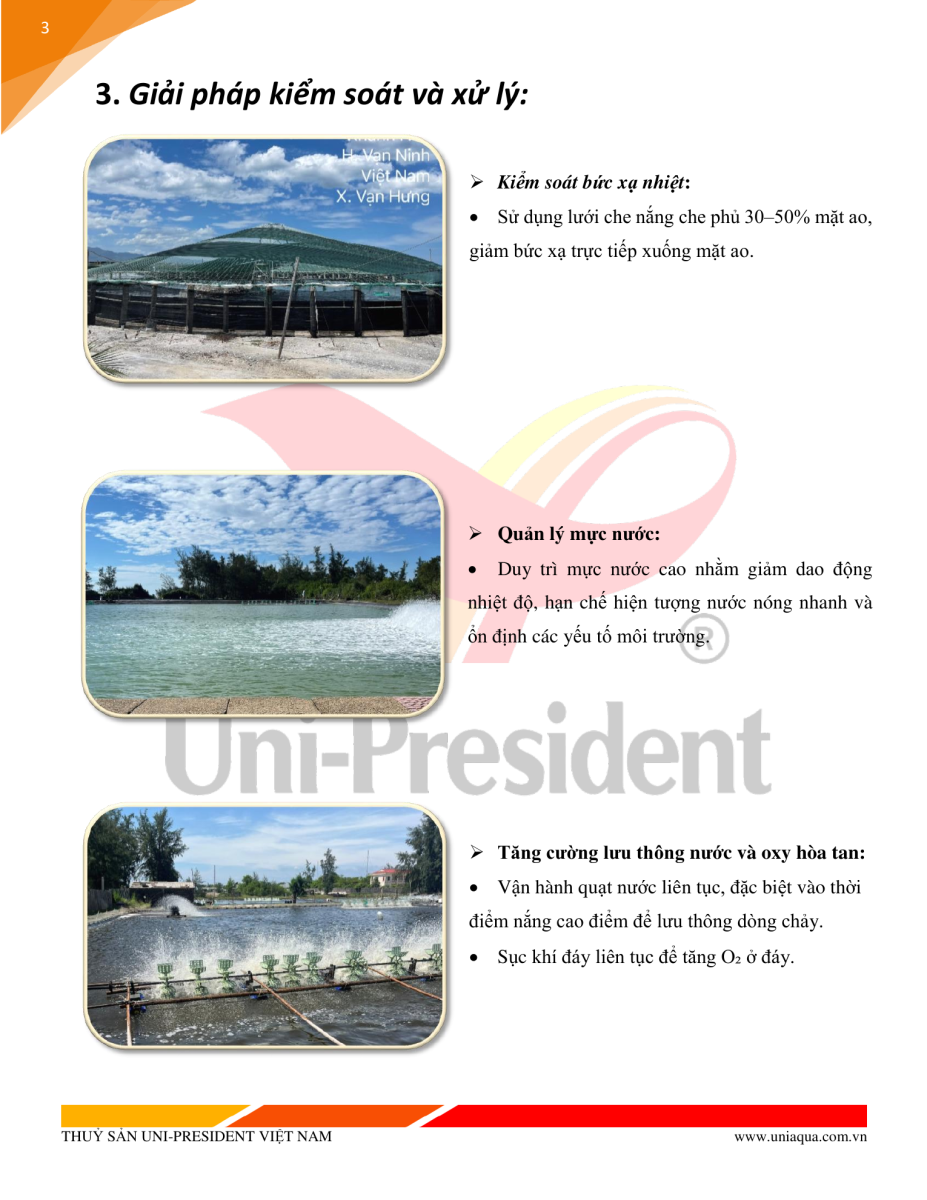
External parasites in whiteleg shrimp not only weaken shrimp and slow their growth, but also serve as an important warning sign that pond water quality is seriously deteriorating. The period from 30–60 days of culture is considered a critical stage, as organic waste accumulates, algae fluctuate, and environmental parameters become unstable, creating favorable conditions for parasite outbreaks. This article helps farmers recognize early signs of parasitic infections, understand their causes and impacts, and apply effective prevention and treatment strategies to protect shrimp health, productivity, and farming profitability.

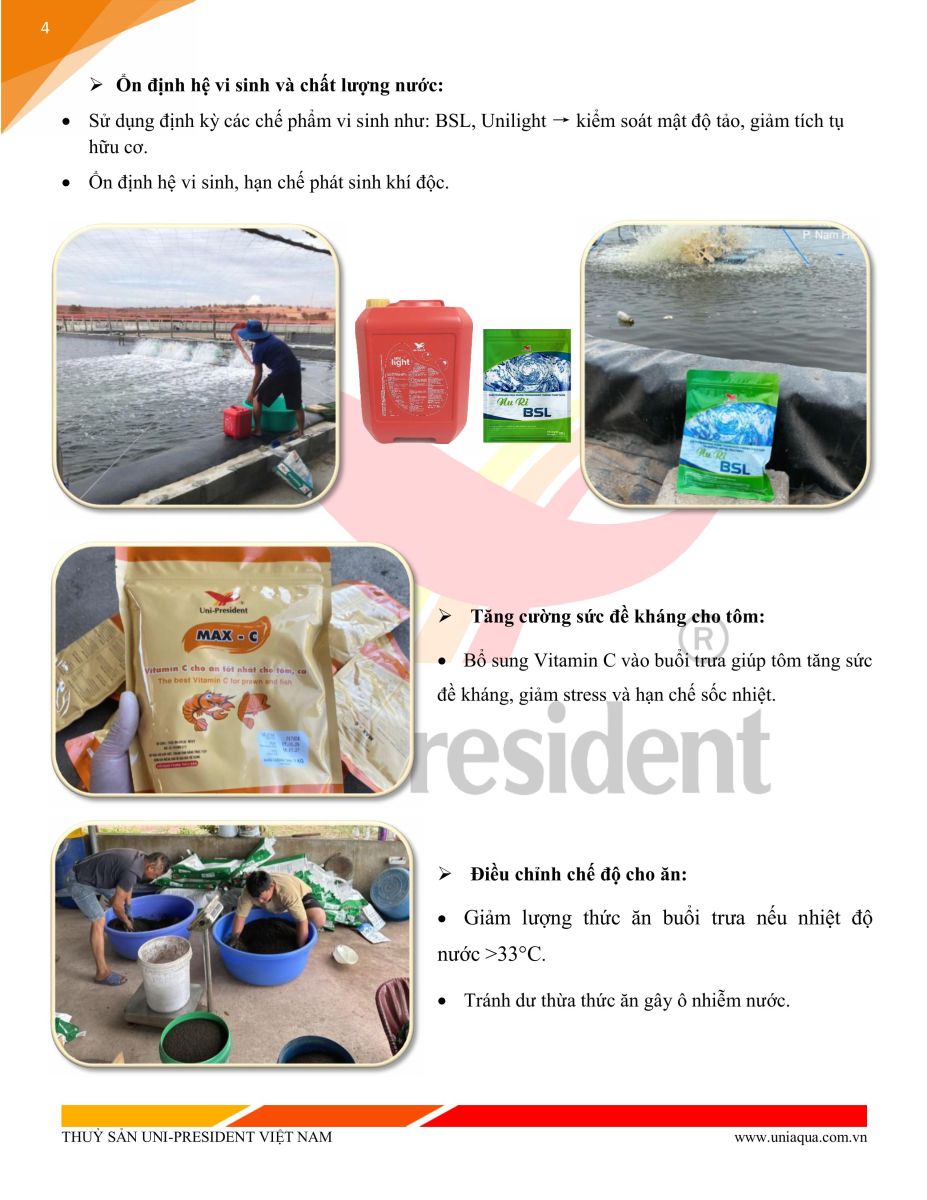
High nitrite (NO₂) levels can cause shrimp stress, reduced feeding, oxygen deficiency, and significant losses. Discover a practical 24-hour emergency treatment protocol to quickly reduce nitrite levels, stabilize pond conditions, and protect shrimp health during challenging weather conditions.
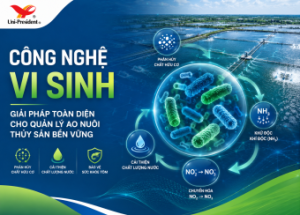
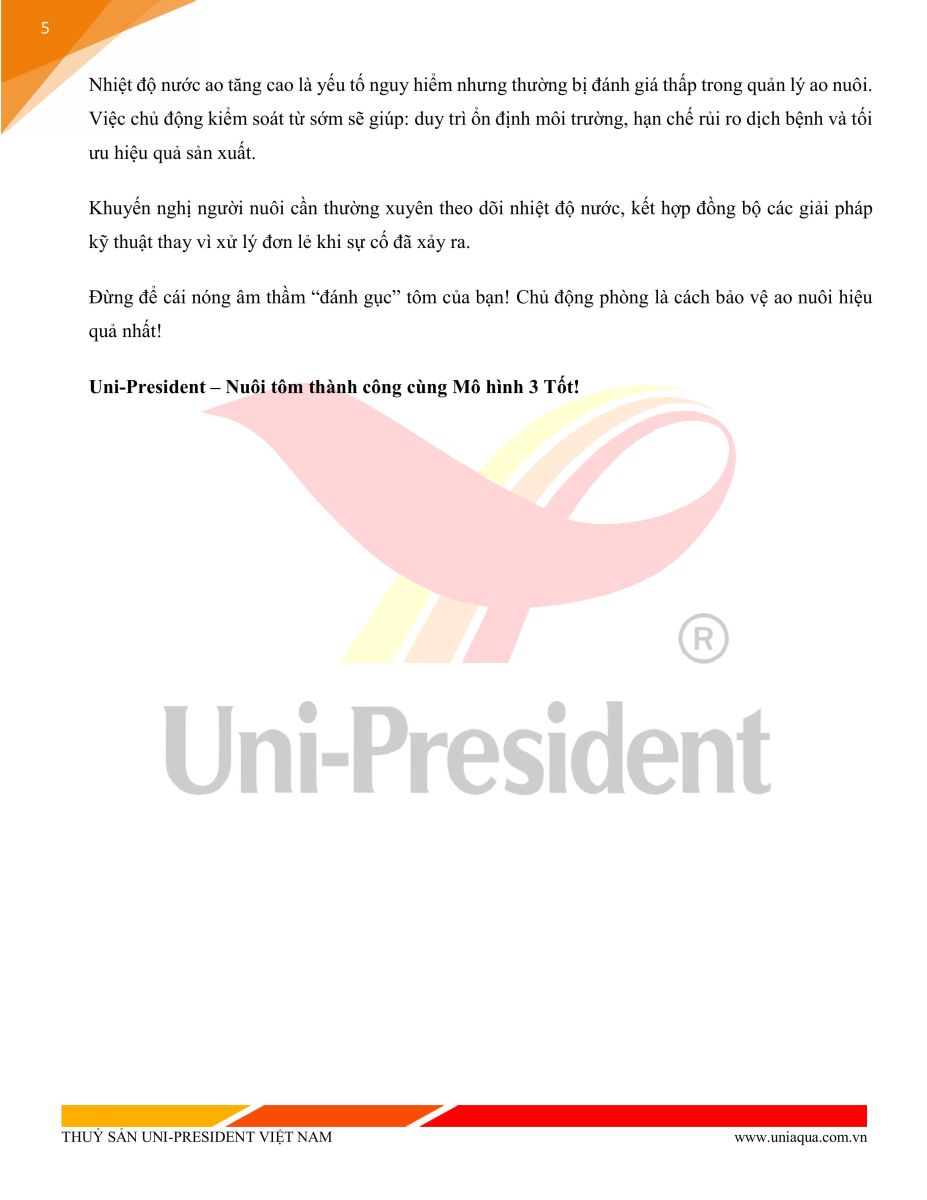
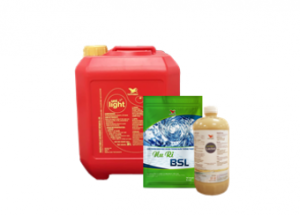
Why are more and more shrimp farmers shifting from chemicals to microbial technology? Discover how beneficial microorganisms work, how they help control toxic compounds, improve water quality, and build a solid foundation for sustainable and efficient aquaculture production.

While farmers heavily focus on water quality and toxic gases, the pond bottom remains the most critical pathogen hotspot. Research reveals that 91% of Vibrio load in shrimp bodies directly matches the benthic sediment. During the grow-out stage, accumulated organic waste triggers anaerobic decomposition, releasing lethal toxic gases and escalating pathogen pressure.
Click now to discover Uni-President's comprehensive solution to eliminate biofilm on liners and optimize survival rate (SR) and yield