( 25-03-2026 - 10:41 AM ) - View: 839
The first 30 days after stocking represent the most sensitive phase in the shrimp farming cycle. During this period, the hepatopancreas is not yet fully developed, while shrimp must adapt to a new environment, changes in feed, and frequent molting. These factors increase stress levels and the risk of disease if not properly managed.
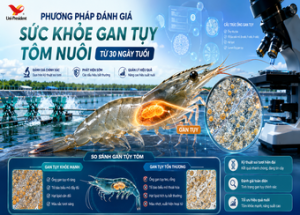
Key factors to be controlled during this stage are summarized in the infographic below:

1. Water Quality Management
Maintaining stable water quality is essential to reduce stress and support healthy shrimp growth. pH should range from 7.6 to 8.0 (daily fluctuation < 0.3), with alkalinity ≥ 150 mg/L. Additionally, beneficial microorganisms such as Bacillus and photosynthetic bacteria should be applied to control harmful bacteria, limit toxic gases, and stabilize the pond ecosystem.
2. Feeding Management
Using high-quality feed with high protein content, good digestibility, and appropriate pellet size is crucial for supporting hepatopancreas development. Feeding should be carefully controlled to avoid overfeeding, which can burden the hepatopancreas. It is recommended to divide the daily ration into multiple meals (around 6 feedings per day) to optimize nutrient absorption.
3. Hepatopancreas Protection and Support
Supplementing hepatopancreas-supporting products helps enhance digestion, nutrient storage, metabolism, detoxification, and immunity. During molting, when shrimp stop feeding, energy is mainly supplied from reserves stored in the hepatopancreas, making its health critically important.
Hepatopancreas-support and detoxification products can be applied at recommended dosages throughout this stage. In periods of high disease risk, increased dosages may be necessary to improve protection and recovery.
In summary, the first 30 days after stocking form the foundation for the entire production cycle. Effective management of water quality, nutrition, and hepatopancreas health not only helps shrimp overcome this critical stage but also ensures stable growth, reduces risks, and improves overall farming efficiency.